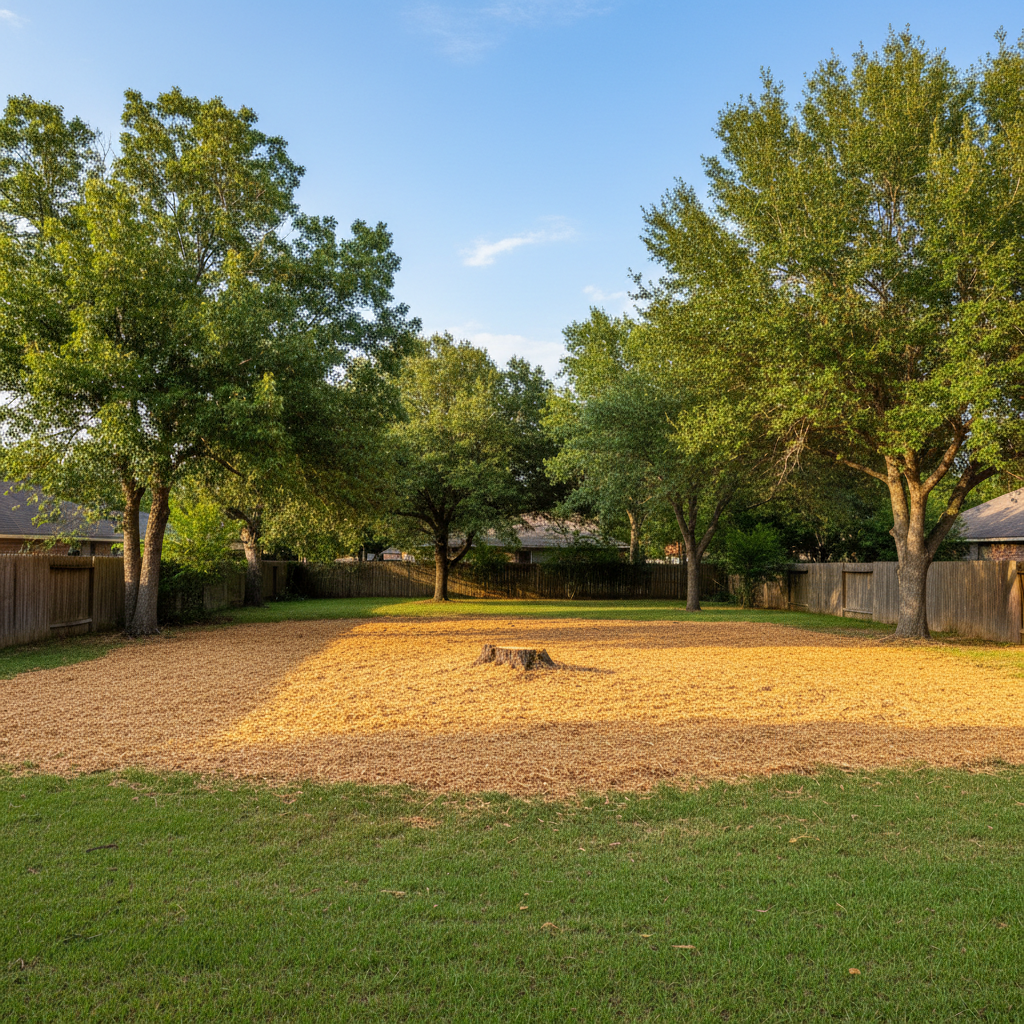
So, you finally got that tree removed. Maybe it was a giant old pecan too close to the house, or a sick mesquite that just had to go. Good riddance, right? Well, hold on a second. Getting rid of the tree itself is one thing, but making sure your yard bounces back and stays healthy afterward? That's a whole different ballgame. Folks often figure once the stump grinder packs up, the job's done. But I'm here to tell you, especially here in Hondo with our unique climate and soil, there's more to it if you want that work to last and your property to keep looking sharp.
Making Your Tree Removal Last
When I talk about 'making the work last,' I'm not just thinking about the empty spot where the tree used to be. I'm talking about your whole yard's health and stopping problems before they even start. The biggest thing you can do is deal with the stump the right way. If you just leave a stump, it's not only an eyesore but a potential hangout for pests like termites and carpenter ants — and believe me, you absolutely do not want those marching from your yard right into your house. That's why we always suggest stump grinding. It gets rid of most of the wood, leaving you a clean slate to replant or re-sod the area.
Once the stump's gone, you've got a hole. Filling that hole with good quality topsoil is super important. Don't just toss in any old dirt you find. You want soil that's rich in organic stuff; that really helps new growth, whether you're spreading grass seed, laying sod, or putting in a new shrub. This also helps stop the ground from sinking and creates a healthy spot for whatever comes next.
Keeping the Removal Site Tidy
Keeping up with a tree removal site is pretty simple, but it makes a huge difference. For the first few weeks, just keep an eye on the soil where the stump was ground. It might settle a bit, especially after a good rain. You might need to add a little more soil to keep it even with the ground around it. If you've planted grass, make sure it gets plenty of water, especially during our scorching Hondo summers. New grass is delicate and dries out fast, you know?
If you skipped grinding the stump, you'll want to watch for sprouts. Some trees, like mulberries or even certain oaks, are pretty stubborn and will try to send up suckers from the roots left behind. You'll need to cut these back regularly. You could also use a stump killer product to stop regrowth, but always read and follow the directions carefully.
Also, look out for signs of fungus, especially if there's still a lot of wood underground. If you see mushrooms or other fungi popping up, it can mean there's decaying wood below the surface. That's not necessarily bad for the soil, but it's good to be aware of.
Spotting Trouble: Warning Signs
Knowing what to look for can save you a real headache. Here are a few red flags:
- Stubborn Regrowth: If you're constantly fighting off sprouts coming up from the old root system, even after you thought the tree was dead, it means those roots are still alive and kicking. That can be a real pain to deal with and might need a tougher approach.
- Odd Settling or Sinkholes: If the ground where the tree was removed starts to sink a lot, or small sinkholes show up, it could mean the remaining roots are decaying and making empty spaces. This happens more often with really big trees and can be a tripping hazard or even affect foundations if it's too close to a building.
- Pest Problems: Like I said, decaying wood is a magnet for pests. If you see more termites, ants, or other wood-boring insects around the old tree site, it's a sign there's still wood for them to munch on.
- Bad Drainage: Sometimes, a big tree's root system acts like a natural drain. Once it's gone, you might notice water pooling in that area where it never did before. This can hurt new plants or even cause foundation problems if it's near your house.
When to Call the Pros
Look, I'm all for folks taking care of their own property, but some things are just better handled by the experts. You should definitely give Neighborly Tree a call if:
- You're seeing a lot of continuous regrowth from a stump you thought was dead. We can come out and figure out the best way to handle it, maybe with a stronger stump grinder or a targeted chemical treatment.
- You notice big areas of settling or actual sinkholes forming. This can be a safety issue, and we can help you figure out the best way to fill and stabilize the area.
- You've got a pest problem that seems to be coming from the old tree spot. While we're not pest control experts, we can help remove the source of the problem, making it easier for an exterminator to do their job.
- You're planning to build or put in a new structure near where a large tree was removed. You really want to make sure all major root systems are gone and the ground is stable before you start pouring concrete or laying a foundation, right?
- You just want to feel good about it. Sometimes, it's worth having an expert take a look and tell you everything's okay, or point out something you might have missed.
Taking care of your yard after a tree removal isn't glamorous work, but it's a really important part of keeping your property safe and looking good. A little attention now can save you a ton of trouble later. Don't hesitate to reach out if you've got questions or need a hand. We're here to help.