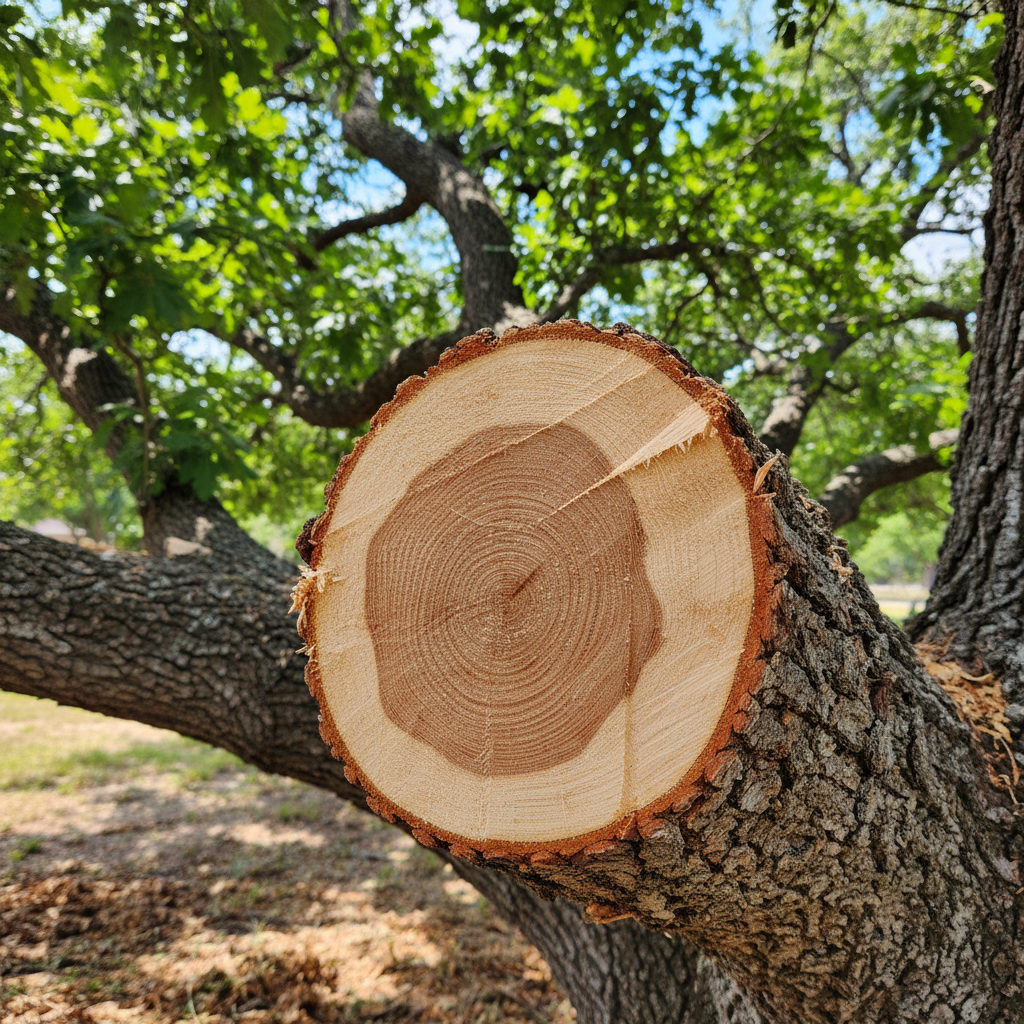
Can You Trim Your Own Trees? Let's Talk.
So, you've got some branches that need attention, and you're wondering if you can just grab your pruners and get to it. It's a common thought, especially when you're looking to save a few bucks. And honestly, for some jobs, absolutely, you can. But for others? You're better off calling in the pros. Let's break down what you can realistically do yourself versus when it's time to call Neighborly Tree.
Before You Even Think About Cutting
Before any blade touches a branch, you need to do a little homework. This ain't just about hacking away; it's about keeping your trees healthy and your property safe.
Know Your Tree: Different trees have different needs. Is it an oak, a pecan, or something else? Young trees often need structural pruning to guide their growth, while mature trees might just need deadwood removed. Quick tip: most deciduous trees (the ones that lose their leaves) are best pruned in late winter or early spring while they're dormant. Evergreens can often be trimmed any time, but avoid late summer or fall if you want to prevent new growth from getting zapped by a Hondo cold snap.
Look Up: Seriously, look up. Are there power lines anywhere near the branches you want to cut? If so, stop right there. Don't even think about it. Electricity and ladders don't mix, and it's not worth your life. Call the power company first, then us.
Assess the Branch: How big is it? Can you reach it safely from the ground or with a small, stable step ladder? If you're thinking about climbing into the tree or using a tall extension ladder, you're probably getting into pro territory. A good rule of thumb: if the branch is thicker than your wrist, or if you need to extend your arms above your shoulders to reach it, it's likely too big or too high for a DIY job.
Tool Check: Do you have the right tools, and are they sharp? Dull tools tear bark, which opens the tree up to disease. For small branches (up to an inch or so), hand pruners are fine. For slightly larger ones (up to 1.5-2 inches), loppers work great. Anything bigger, and you're looking at a hand saw or a pole saw. Make sure everything is clean and sharp.
What You Can (and Should) Do Yourself
For most homeowners, DIY trimming should focus on small, accessible tasks that improve the tree's health and appearance without putting you at risk.
Removing Dead or Diseased Branches: This is probably the most common and safest DIY task. Look for branches that are brittle, discolored, or don't have leaves when they should. Cut these back to healthy wood or to the branch collar (that swollen area where the branch meets the trunk or a larger branch). This helps prevent disease from spreading.
Crossing or Rubbing Branches: If two branches are rubbing against each other, one of them needs to go. This rubbing creates wounds that can invite pests and diseases. Choose the weaker or less ideally placed branch to remove.
Suckers and Water Sprouts: These are those fast-growing, often vertical shoots that pop up from the base of the tree (suckers) or along the main branches (water sprouts). They're usually weak and don't contribute to the tree's structure. Snip 'em off close to their origin.
Light Shaping and Clearance: If a small branch is just barely brushing against your house or blocking a walkway, and you can reach it safely, go ahead and trim it back a bit. We're talking about minor adjustments here, not major canopy reduction.
When to Step Away and Call Neighborly Tree
Look, I get it. You want to do things yourself. But there are times when it's just not worth the risk, or when you could actually do more harm than good to your tree. This is when you call us.
Large Branches: Any branch that requires a chainsaw, or is too heavy to control safely, is a job for us. Falling branches are incredibly dangerous and can cause serious injury or property damage. We've got the equipment and the know-how to bring them down safely, even those big ones over your patio in the Old Town section of Hondo.
Height and Access: If you need to climb a ladder more than a few steps, or if the branch is high up in the canopy, call us. We have specialized climbing gear, lifts, and safety protocols that you just don't have at home.
Proximity to Structures or Power Lines: This is a non-negotiable. If a branch is hanging over your roof, garage, or anywhere near power lines, don't touch it. The risks are too high. We're trained for these tricky situations.
Major Pruning or Reshaping: If your tree needs significant structural pruning, crown reduction, or thinning, it's best left to certified arborists. We understand tree biology and can make cuts that promote long-term health and stability, not just temporary fixes.
Storm Damage: After a good Hondo thunderstorm, you might have broken or hanging branches. These are often under tension and extremely dangerous to remove. Let us handle it.
Anytime You Feel Unsure: Trust your gut. If you're feeling hesitant, uncomfortable, or just plain unsure about a cut, that's your signal to call a professional. It's always better to be safe than sorry.
After the Cut: A Quick Note
Once you've made your cuts (or we have), just leave the wound alone. Don't use any wound dressings or paints; trees heal best on their own. Just keep an eye on your tree, make sure it's getting enough water, especially during our dry spells, and enjoy your healthier, better-looking yard.
For those jobs that are beyond your comfort zone or skill set, give Neighborly Tree a call. We're here to help keep your Hondo trees healthy and beautiful, safely and efficiently.