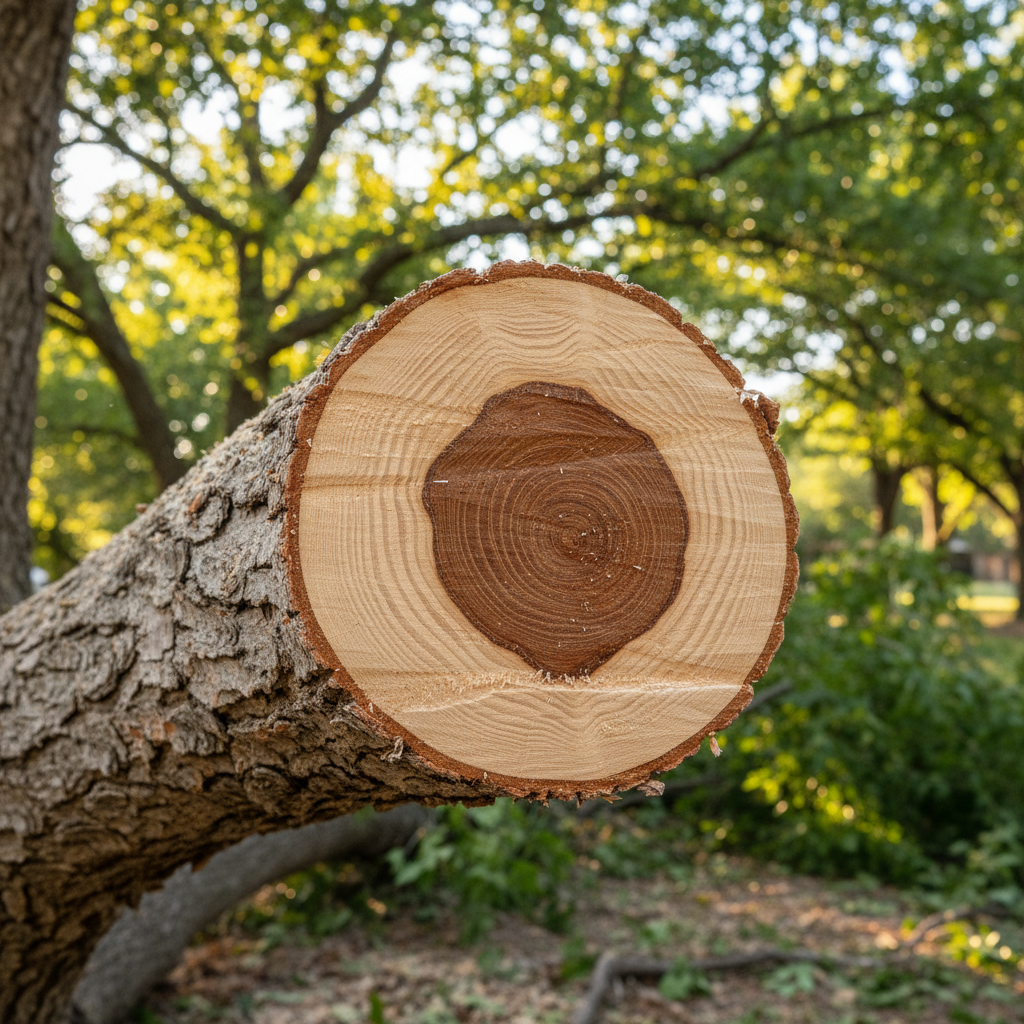
Alright, let's talk about tree trimming. You've got trees in your yard, and sooner or later, they're gonna need a haircut. Maybe a branch is scraping your roof, or it's just getting too thick and blocking out the sun. A lot of folks around Hondo think, "I can just grab a saw and get this done myself." And sometimes, you can! But sometimes, that's a recipe for disaster, or at least a really ugly tree. So, let's break down what you need to know before, during, and after you start messing with those branches.
Before You Grab That Saw: Planning & Safety First
Before you even think about making a cut, you gotta have a plan. First off, look at the tree. What kind is it? Live Oaks are common around here, and they've got their own rules. What's the goal of this trim? Are you just getting rid of dead stuff, or are you trying to shape it, or remove a dangerous limb? Knowing your goal helps you decide what tools you'll need and if it's even a DIY job.
Safety is non-negotiable. I've seen too many folks get hurt because they didn't take this seriously. Here's what you need to think about:
- Power Lines: This is a big one. If any branch is within 10 feet of a power line, you stop right there. Call the utility company, or call a pro like us. Don't even think about it. Electricity doesn't mess around.
- Ladder Safety: If you're using a ladder, make sure it's sturdy, on level ground, and you've got someone spotting you. Never overreach. It's not worth a broken bone.
- Tools: Are your tools sharp? Dull tools are dangerous and make for sloppy cuts that can hurt the tree. Do you have the right tools for the job? A hand saw for small stuff, a pole saw for higher, thinner branches.
- Personal Protective Equipment (PPE): Gloves, safety glasses, a hard hat if you're working overhead, and sturdy shoes. Always.
- Weight of the Branch: How heavy is that branch you're cutting? Even a small-looking branch can weigh a lot and swing unexpectedly. Plan your cuts so it falls safely.
And honestly, if you're feeling even a little bit unsure, or if the branch is thicker than your arm, or if you need to be on a ladder more than 10-12 feet up, that's usually a sign to call in the professionals. We've got the gear, the training, and the insurance for a reason.
During the Trim: Making the Right Cuts
Okay, you've decided it's a DIY job. Great. Now, how do you actually cut a branch without hurting the tree?
- The Three-Cut Method: This is crucial for anything but the smallest twigs. It prevents the bark from tearing down the trunk when the branch falls.
- Make an undercut about 6-12 inches out from the trunk, cutting about a third of the way through the branch from the bottom up.
- Make your second cut a few inches further out from the first cut, cutting all the way through the branch from the top down. The branch will fall, leaving a stub.
- Finally, make your third cut just outside the branch collar (that swollen area where the branch meets the trunk). Don't cut flush with the trunk, and don't leave a long stub. You want to cut just outside the collar so the tree can heal properly.
- Don't Over-Prune: A general rule of thumb is never to remove more than 25% of a tree's canopy in a single year. More than that can stress the tree and make it vulnerable to disease or pests.
- Focus on the Right Branches:
- Dead, Dying, or Diseased: Get rid of these first. They're a hazard and can spread problems.
- Crossing or Rubbing: Branches that rub against each other will create wounds, inviting pests and disease. Pick the weaker or poorly placed one and remove it.
- Weak Crotches: Look for branches that form a tight V-shape with the trunk or another branch. These are prone to splitting. Often, it's best to remove one of them when they're young.
- Suckers and Water Sprouts: These are fast-growing, vertical shoots that often sprout from the base or along the main branches. They're usually weak and just suck energy from the tree. Cut 'em off.
Remember, every cut is a wound to the tree. You want to make clean cuts in the right spot so the tree can compartmentalize and heal itself. Don't use wound paint or sealer; research has shown it usually does more harm than good.
After the Project: Cleanup & Observation
You've done the trimming, the branches are down. Now what?
- Cleanup: Get all those cut branches and debris out of your yard. You don't want them sitting around, attracting bugs or becoming a trip hazard. If you've got a lot, you might need to rent a chipper or arrange for a brush pickup.
- Observe Your Tree: Over the next few weeks and months, keep an eye on your tree. Is it looking healthy? Are there any signs of stress, like wilting leaves or new problems? If you see anything concerning, it might be time to get a professional arborist to take a look.
- Future Planning: Think about when you'll need to trim again. For most mature trees, once every 3-5 years is usually enough, but it depends on the species and its growth rate. Younger trees might need more frequent, lighter pruning to establish a good structure.
Look, I get it. Doing things yourself can be satisfying, and it saves a few bucks. For small, accessible branches, go for it. But when the tree gets big, or the branches are heavy, or you're dealing with anything near your house or power lines, that's when you call in the pros. We've got the equipment, the training, and the experience to do it safely and correctly, keeping your trees healthy and your property safe. Here at Neighborly Tree, we're always happy to give you an honest assessment and a free quote if you're not sure whether it's a DIY job or not. Don't risk it if you're unsure.