Getting Your Hondo Trees Trimmed: A Homeowner's Game Plan
So, you've finally decided it's time to get those trees pruned. Smart move. Whether you're doing it for their health, for safety, or just to make your place look better, a well-thought-out pruning project really does make all the difference. I'm a local guy, and I run Neighborly Tree. I've seen plenty of folks jump into this without a clear idea of what to expect, and honestly, that can cause some real headaches. Let's walk through how to plan this right, from start to finish, shall we?
When's the Best Time to Prune? (Timeline)
This is probably the question I get asked most often, and it's a good one. For most deciduous trees around Hondo – you know, the ones that drop their leaves in the fall – the dormant season is perfect. Think late fall, winter, or even very early spring, right before new growth really gets going. The tree's basically asleep then, so it's less stressed. Plus, we can see the branch structure a lot better without all those leaves in the way.
Now, evergreens, like our beautiful Live Oaks that stay green all year? They're a bit more flexible. You can prune them almost any time, but I generally suggest avoiding the hottest, driest parts of summer. Stress is stress, no matter the tree. If you're dealing with dead, diseased, or hazardous branches, though, that's an emergency. It needs to happen right away, no matter the season. Don't put those off.
What Happens During the Pruning Process?
Alright, you've picked a time, and you've got a crew lined up. What's next? First off, we'll do a final walk-through with you. We'll confirm exactly what we're pruning, talk about access points, and just make sure we're all on the same page about the work. Communication is super important here. We want to know what you expect, and you need to know what to expect from us.
Then, the work begins. Depending on how big the tree is and what kind of pruning we're doing, we might use climbers, bucket trucks, or even just pole saws for smaller jobs. We'll be careful with your property, setting up safety cones and warning signs as needed. You'll definitely hear chainsaws, chippers, and the general sounds of work. It's not a quiet job, but we try to be as quick and efficient as possible.
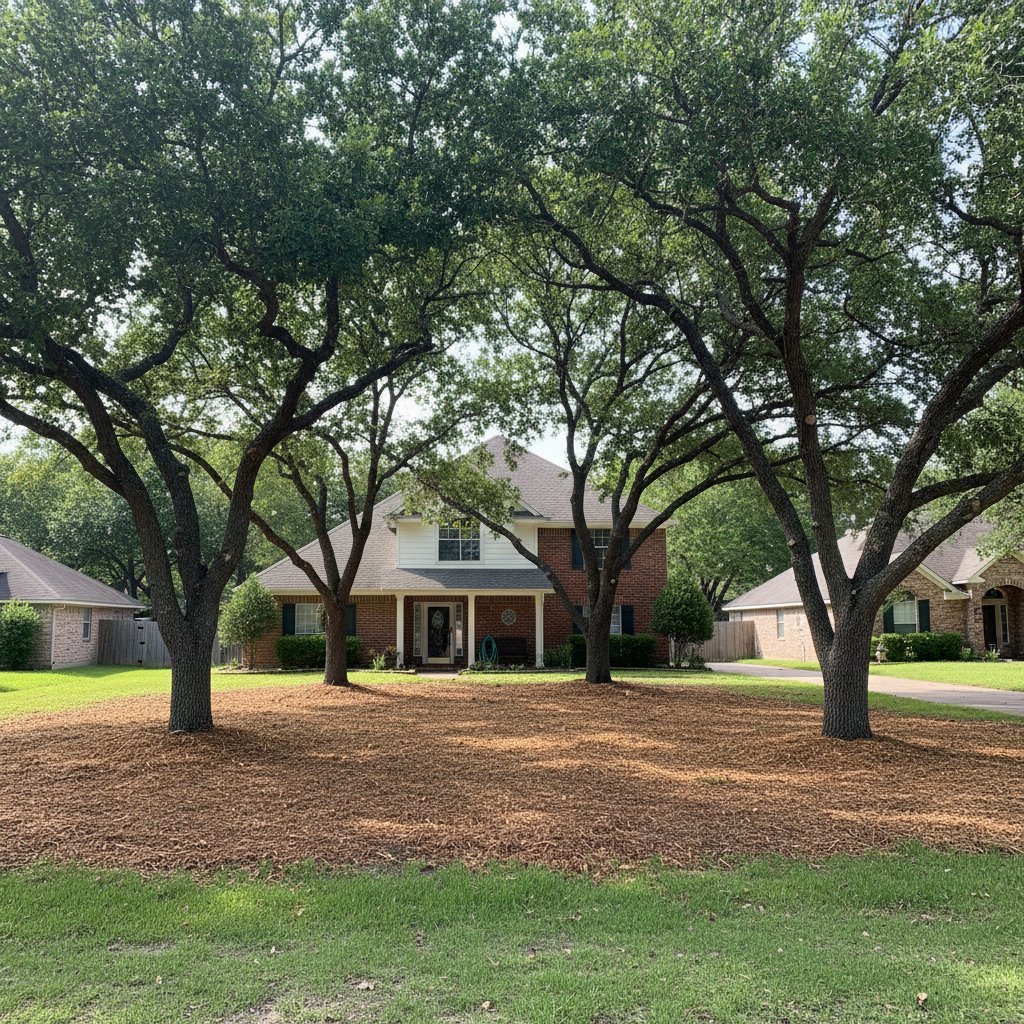
Once we're done pruning, we don't just pack up and leave a mess. A good crew will clean up all the debris – branches, leaves, sawdust. We'll chip the smaller stuff and haul away anything too big for the chipper. The goal, really, is to leave your yard looking better than when we arrived, with healthy, well-pruned trees.
How to Prepare Your Property for Pruning Day
You can actually help us out a lot by doing a few things before we even show up. It makes the job safer and faster for everyone:
- Clear the Area: Move anything valuable or fragile from under and around the trees. Think patio furniture, grills, kids' toys, garden ornaments, even bird feeders. We really don't want anything getting damaged.
- Access: Make sure we have a clear path to the trees. Unlock gates if you need to. If you have a dog, keep it inside or in a secure, separate area for the day.
- Sprinkler Heads: If we're going to be driving equipment on your lawn, mark any sprinkler heads you know about. It's easy for them to get missed and then, well, damaged.
- Communicate: If you have any specific concerns about certain plants, structures, or even a favorite rose bush under a tree, point it out during that initial walk-through.
- Power Lines: If your trees are near power lines, let us know. We're trained to work safely around them, but it's always good to be aware. Sometimes, we might even need to coordinate with the utility company for safety.
Questions to Ask Before Signing a Contract
This is where you protect yourself and make sure you're getting a truly professional job. Don't be shy about asking these questions:
- Are you insured and licensed? This is non-negotiable. You absolutely need to see proof of liability insurance and worker's compensation. If they don't have it, just walk away. You really don't want to be on the hook if someone gets hurt or your property is damaged.
- What specific pruning techniques will you use? Ask about things like crown thinning, deadwood removal, or structural pruning. Make sure whatever they plan aligns with your goals for the tree.
- How will you clean up? Get it in writing that all debris will be removed and the site left tidy.
- Can you provide references? A reputable company will be happy to give you names of past clients.
- What's the total cost, and what does it include? Get a detailed, written estimate. Make sure it covers everything – labor, equipment, debris removal, and any extra charges. Avoid companies that give vague estimates or demand full payment upfront.
- What's your timeline for completion? Understand when they expect to start and finish the job.
- Do you offer a written contract? Absolutely. Everything should be spelled out in a contract, protecting both you and the company.
- How do you handle unforeseen issues? Sometimes we find things once we get into a tree – unexpected rot, a hidden wasp nest. Ask how they'd communicate and deal with those situations.
Choosing the right company for tree pruning in Hondo means doing a little homework. You want someone who knows what they're doing, respects your property, and communicates clearly. Take your time, ask the right questions, and you'll end up with healthy, beautiful trees that add value to your home for years to come. What's not to love about that?