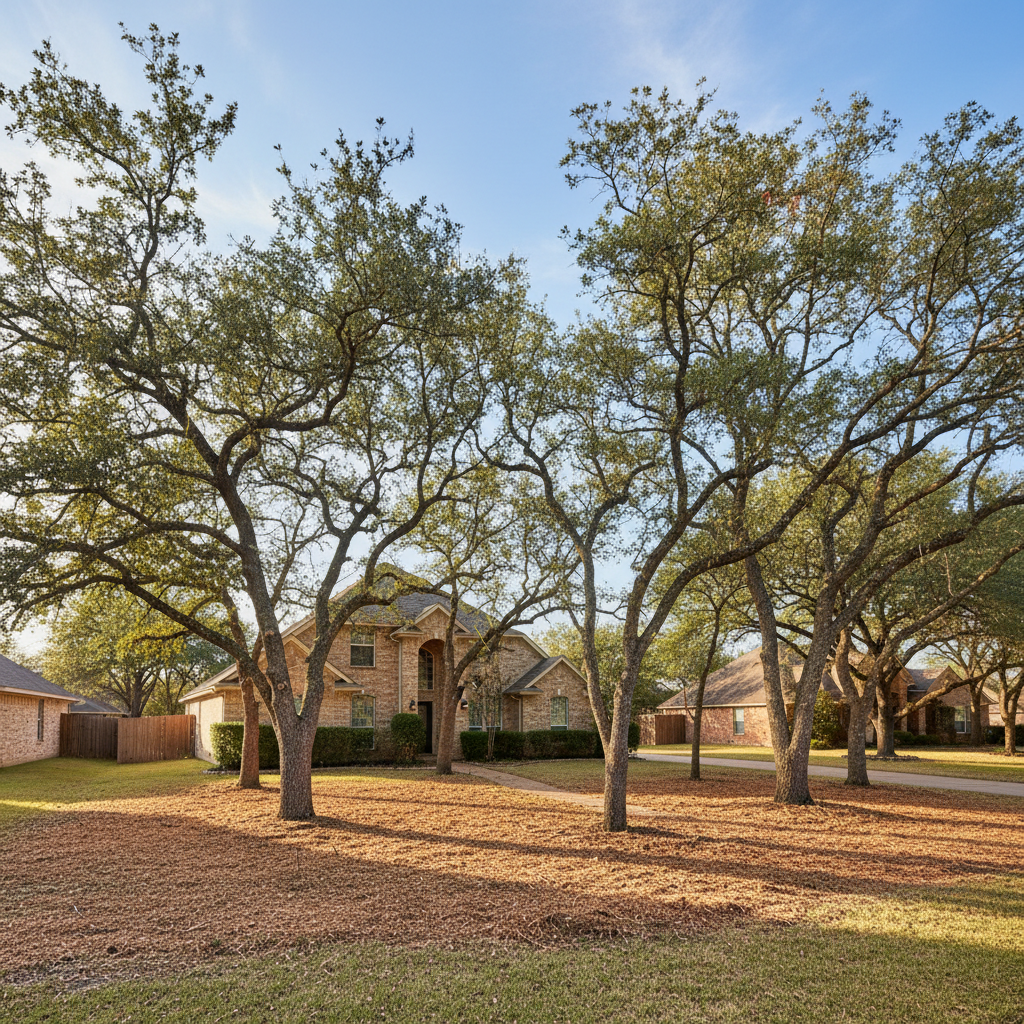
So, you're thinking about getting your trees pruned. Good call. Regular pruning isn't just about making your yard look tidy; it's crucial for the health of your trees, especially with the kind of weather we get out here in Hondo. But if you've never hired a professional for this kind of work, you might be wondering where to even start. Don't sweat it. I'm going to walk you through what you need to know to plan your tree pruning project, from start to finish.
When's the Best Time to Prune?
This is probably the first question most folks ask, and it's a good one. Generally, for most deciduous trees around here – think your Live Oaks, Cedar Elms, Pecans – the dormant season is ideal. That's late fall, winter, and early spring before the new growth really kicks in. When the leaves are off, it's easier to see the tree's structure and identify dead or crossing branches. Plus, the tree's less stressed by the pruning cuts when it's not actively growing.
Now, there are exceptions. If you've got a tree with dead, diseased, or hazardous branches, those need to come off whenever you spot them. Don't wait for winter if a branch is threatening your roof or a power line. For flowering trees, you usually want to prune right after they finish blooming. That way, you're not cutting off next year's flowers. Fruit trees have their own specific timing too, often in late winter for better fruit production. A good arborist will know these specifics for the types of trees common in Hondo yards.
What to Expect During the Process
Once you've got a pro lined up, here's a general idea of what the actual work day will look like. First, the crew will arrive, usually with a truck, chipper, and all their gear. They'll do a quick walkthrough with you to confirm the scope of work – which trees, what kind of pruning (thinning, raising, deadwood removal), and any specific concerns you have. This is your chance to point out anything you might have forgotten.
Then, they'll get to work. This involves climbing, using ropes, specialized saws, and sometimes a bucket truck. It can be noisy, especially with the chipper running. Safety is paramount, so they'll set up cones or tape off areas to keep everyone safe. They'll be making precise cuts to remove branches, aiming for clean wounds that heal well. After the pruning, they'll chip up the branches and haul away the debris. A good company, like Neighborly Tree, will leave your property cleaner than they found it. You shouldn't have to pick up a single twig.
How to Prepare Your Property
Before the crew shows up, there are a few things you can do to make their job easier and protect your stuff:
- Clear the area: Move anything valuable or fragile from directly under and around the trees. Think patio furniture, grills, kids' toys, garden ornaments, bird feeders.
- Secure pets: Keep your dogs and cats indoors or in a secure, separate area. The noise and activity can be stressful, and you don't want them getting in the way of heavy equipment.
- Unlock gates: If the crew needs access to your backyard, make sure gates are unlocked.
- Mark sprinklers: If you have an irrigation system, especially pop-up heads near the work area, mark them with flags so they don't get accidentally damaged by falling branches or equipment.
- Talk to neighbors: If branches hang over a property line, it's a good idea to give your neighbors a heads-up that work will be done.
It's all about minimizing hazards and making sure the crew can work efficiently and safely.
Questions to Ask Before Signing a Contract
Don't just go with the first quote you get. Ask these questions to make sure you're hiring a reputable and qualified company:
- Are you insured and bonded? This is non-negotiable. They need general liability insurance and workers' compensation. Ask for proof and call their insurance company to verify. You don't want to be on the hook if someone gets hurt or your property gets damaged.
- Do you have certified arborists on staff? A certified arborist has demonstrated knowledge and experience in tree care. They understand tree biology and proper pruning techniques.
- Can you provide references? Ask for contact information for a few recent customers.
- What specific pruning standards do you follow? They should be familiar with ANSI A300 standards for tree care operations. This ensures they're using best practices.
- How will you protect my property? Ask about their plan for protecting your lawn, plants, and structures. Will they use ground mats?
- What's included in the cleanup? Get it in writing that they'll remove all debris, chip everything, and leave the site tidy.
- What's the total cost, and what's the payment schedule? Get a detailed, written estimate. Avoid companies that ask for a large upfront payment.
Taking the time to ask these questions will save you a lot of headaches down the road. You're investing in your property, and you want to make sure it's done right by professionals who know what they're doing, especially with our tough Hondo soil and occasional high winds. Good luck with your project!