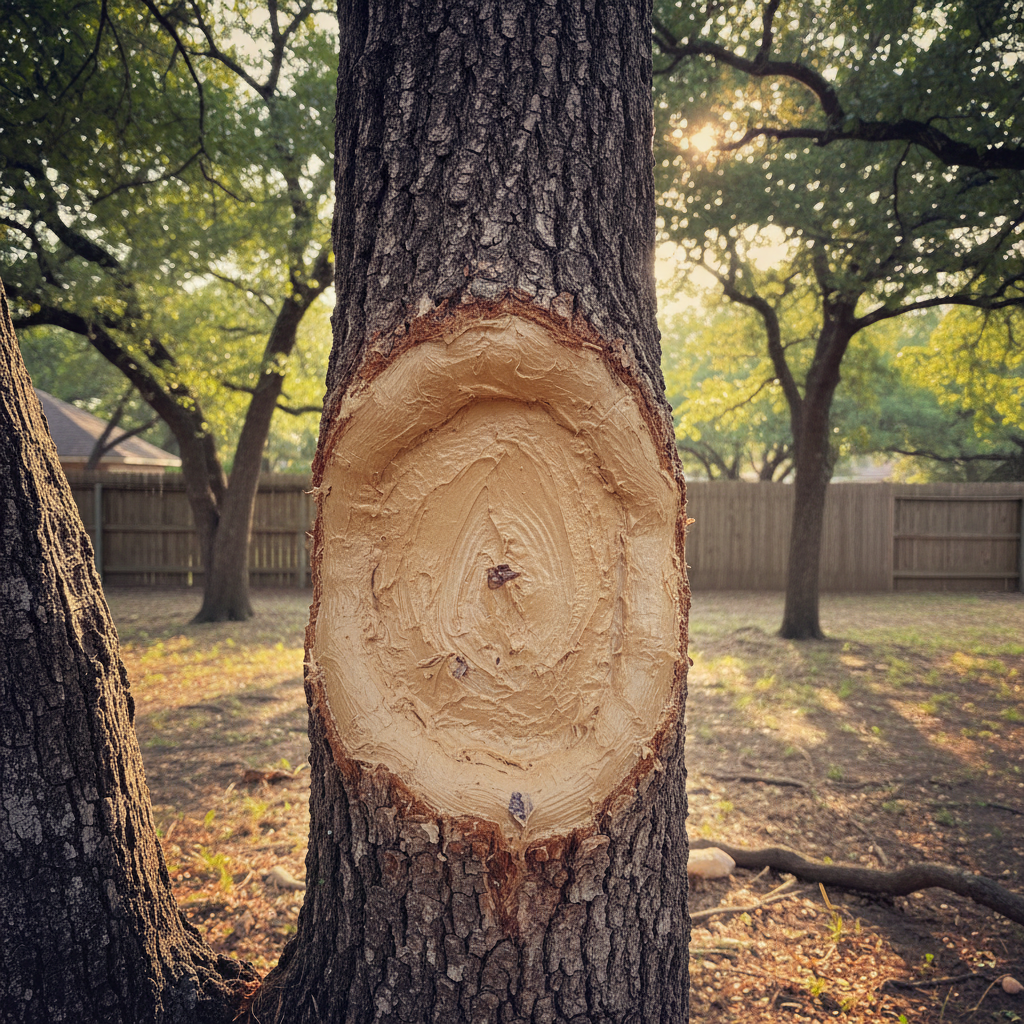
Before You Start: Know Your Trees
Alright, let's talk about keeping your trees healthy. It's not just about lopping off a branch when it looks bad; it's about understanding what your trees need to really thrive, especially here in Hondo with our scorching summers and those sometimes-surprising freezes. Before you even think about grabbing a saw or a hose, take a good, hard look at your trees. What kind are they? Live Oaks are super common, sure, but you might have Pecans, Mesquites, or something totally different. Knowing your tree type helps you figure out its usual growth patterns, how much water it needs, and what pests or diseases it's prone to.
You should also get a feel for your soil. We've got a lot of clay here in Hondo, particularly in some of the older neighborhoods near Highway 90. That heavy clay can hold onto water, which is great during a drought, but it can also lead to root rot if the drainage isn't good. Knowing your soil helps you decide how much and how often to water, and if you need to add anything to it.
During the Project: What You Can Tackle Yourself
There's plenty you can do to keep your trees happy and healthy without calling in a whole crew. Think of it as preventative maintenance, just like changing the oil in your truck, you know?
Watering: This is huge, especially for younger trees or when things get really dry. Deep watering is key – you want to soak the root zone, not just sprinkle the surface. For mature trees, a good deep soak once every couple of weeks during a drought works better than light watering every day. How much? A good rule of thumb is 10 gallons of water per inch of trunk diameter, applied slowly. You can use a soaker hose or just let a regular hose trickle at the base for a few hours. Just don't overdo it; soggy roots are unhappy roots.
Mulching: This is one of the easiest and most effective things you can do. A 2-4 inch layer of organic mulch (like wood chips, not rocks) around the base of your tree works wonders. Keep it a few inches away from the trunk itself to prevent rot. Mulch helps keep the soil moist, regulates soil temperature, and stops weeds from hogging water and nutrients. Plus, as it breaks down, it actually improves your soil structure.
Basic Pruning: You can handle the small stuff. I'm talking about dead, diseased, or broken branches – anything smaller than an inch or two across. Use sharp, clean hand pruners or loppers. Make clean cuts, and don't leave stubs. If you see two branches rubbing, pick the weaker one and take it out. This kind of light pruning helps the tree send energy to healthy growth and improves air circulation, which can actually prevent some diseases.
Pest & Disease Monitoring: Walk around your trees regularly. Look for leaves that are an odd color, wilting, strange growths, or signs of bugs. Catching things early can save your tree. Sometimes it's just a nutrient deficiency; other times it might be something more serious. A quick online search or a call to your local extension office can often help you figure out common issues.
When to Call a Pro: Don't Risk It
Look, I'm all for DIY, but some jobs are just too big or too dangerous for the average homeowner. This is where Neighborly Tree comes in. You give us a call when:
Big Branch Removal: If a branch is bigger than 2-3 inches across, or if it's way up in the canopy, leave it to us. Falling branches are no joke, and a bad cut can seriously damage your tree or, worse, hurt you or someone else. We've got the right equipment and training to do it safely and correctly.
Tree Structure & Shaping: Want to improve the overall shape of a large tree, or remove a lot of the canopy? That's specialized work. Proper structural pruning helps a tree grow strong and healthy for years, heading off future problems. Bad cuts can lead to decay, weak spots, or even kill the tree.
Disease & Pest Identification/Treatment: If you've got a serious infestation or a disease you can't identify, or if it's spreading fast, you need professional help. We can diagnose the problem accurately and recommend the right treatment, whether it's a specific pesticide, fungicide, or even removal if the tree is too far gone.
Trees Near Power Lines or Structures: This is a no-brainer. Any work around power lines is incredibly dangerous. If a tree is growing into your house, garage, or fence, you need someone with the experience and insurance to handle it without causing property damage.
Storm Damage Cleanup: After a big storm, you might have broken limbs hanging precariously or a tree that's partially fallen. This is high-risk work. Don't try to clear heavy, unstable branches yourself. Call us; we're equipped for emergency situations.
Taking care of your trees is an investment in your property and the environment. Do what you can, but know when to bring in the experts. It'll save you headaches and keep your Hondo yard looking its very best.