A big storm rips through Hondo, the wind howls, and then you hear it – that awful crack. Next thing you know, there's a tree, or a huge chunk of one, exactly where it shouldn't be. Maybe it's smashed onto your roof, blocking your driveway, or just a dangerous mess in the yard. So, what's next?
Emergency tree removal isn't something anyone plans for, but knowing what to do when it happens can save you a ton of grief, and maybe even a lot of money or injury. Let's talk about what you can realistically handle yourself and when it's absolutely time to bring in the pros.
Before the Crew Arrives: Your First Moves
Okay, a tree's down. First things first, take a breath. Panicking won't help a bit. Your absolute top priority is safety. Here's what you need to check:
- Is anyone hurt? If so, get medical help right away.
- Are power lines involved? This is a HUGE deal. If the tree is touching power lines, or even just really close, assume every line is live and dangerous. Seriously, DO NOT go near it. Call Medina Electric Cooperative or your power company immediately. They need to shut off the power before anyone – even a professional tree crew – can work safely.
- Is your home or family in immediate danger? If the tree has punched through your roof, is leaning precariously, or has blocked an exit, get everyone to a safe spot. That might mean heading to a neighbor's house or just moving to another part of your home.
- Document, Document, Document. Grab your phone and start taking pictures and videos. Get shots from different angles, showing the damage to your property, the tree itself, and anything else affected. This is super important for insurance claims later on.
- Block off the area. If it's safe to do so, put up some caution tape or even just some lawn chairs to keep kids, pets, and curious neighbors away from the danger zone.
What can you do yourself? Honestly, not much if it's a big tree or if power lines are involved. If it's just a few small, broken branches on the ground that aren't touching anything important, you can probably clear those with gloves and a rake. But anything bigger, anything near your house, or anything with wires? Step back, friend.
During the Removal: What Happens Next
Once you've called a professional like us at Neighborly Tree, we'll get out there as quickly and safely as we can. When we arrive, we'll size up the whole situation. This usually involves:
- Safety First: We're looking for hazards you might not even see – unstable branches, hidden power lines, structural damage to the tree that could cause more problems.
- Creating a Plan: Every emergency removal is a little different. We'll figure out the safest way to cut and remove the tree or its parts without causing any more damage to your property. This often means using specialized equipment like cranes, lifts, and rigging to carefully lower sections.
- Working with Utilities: If power lines are involved, we'll coordinate directly with the power company. We won't start cutting until they've given us the all-clear.
Your job during this time is to stay out of the way. We know you're stressed, but our crew needs to focus on a dangerous job. Keep kids and pets inside, and just let us do what we do best. We'll keep you updated on our progress.
After the Tree is Gone: Cleanup and Next Steps
Once the dangerous parts of the tree are removed, you're usually left with a bit of a mess. We'll clean up the debris, cut logs into manageable pieces, and haul away what needs to go. We'll make sure the area is as clear and safe as possible.
What's left for you? Here's what you'll need to tackle:
- Insurance Claim: Contact your homeowner's insurance company as soon as you can. Provide them with all those photos and videos you took. They'll likely send an adjuster out to check the damage. Having a detailed invoice from the tree removal company helps a lot here, believe me.
- Property Repairs: If your house, fence, or other structures were damaged, you'll need to arrange for repairs. Get estimates from reputable contractors.
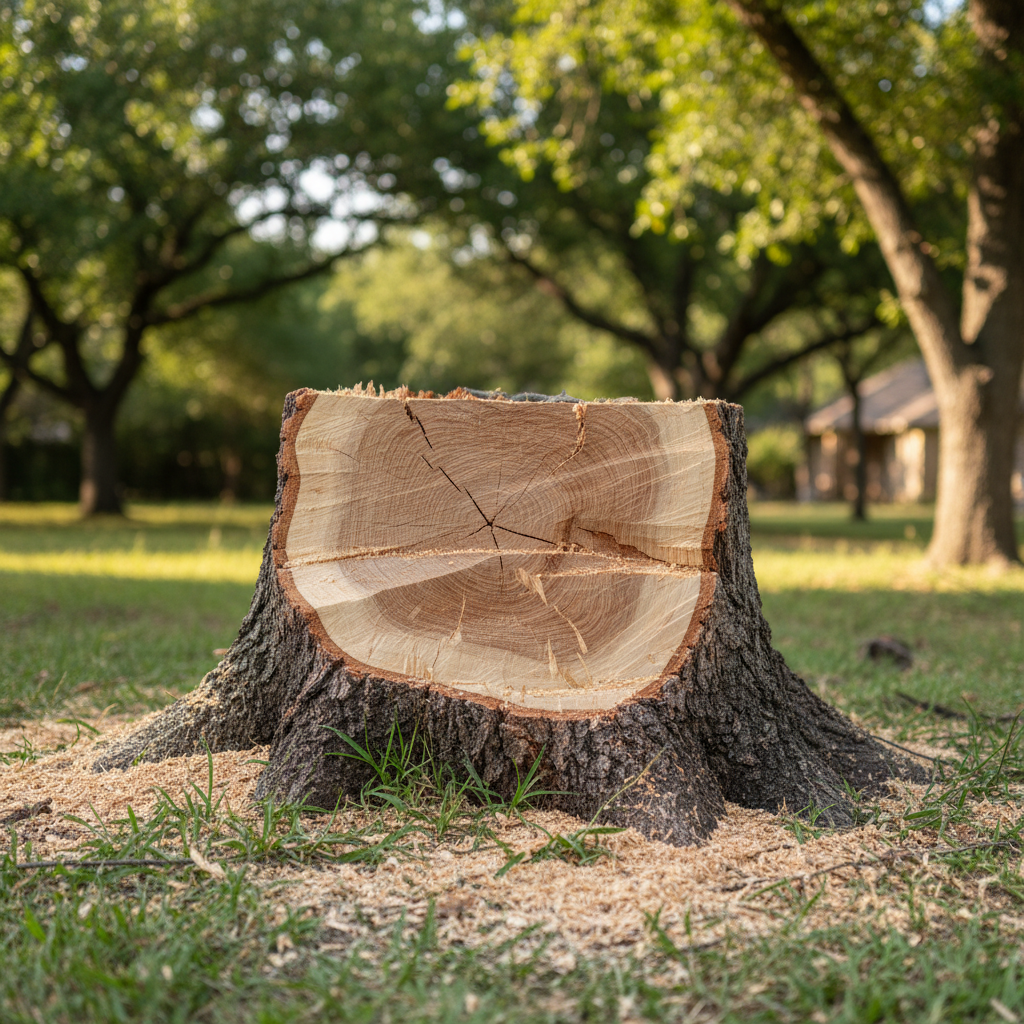
- Stump Removal: Often, emergency removals leave a stump. You can decide if you want it ground down or removed entirely. We can help with that too, if you want it gone.
- Future Prevention: Take a good look at your remaining trees. Are there dead branches? Trees leaning too much? Especially with our Hondo soil, which can get pretty dry and then suddenly saturated, the ground can shift, making trees unstable. It's a smart move to have a professional look at your trees periodically to spot potential hazards before the next storm hits. A little proactive pruning can prevent a major headache later.
Dealing with a downed tree is never fun, but knowing these steps can make a tough situation a lot more manageable. When in doubt, always call a professional. It's just not worth risking your safety or your property trying to DIY an emergency.